
Introduction
As global demand increases for tropical fruit ingredients, shelf-stable mango pulp especially from Alphonso mango pulp and Totapuri mango pulp has become a vital component in the food and beverage manufacturing industry. It adds natural color, aroma, and tropical sweetness to products like beverages, yoghurts, ice creams, baby foods, and sauces.
However, mango pulp is naturally perishable due to high moisture, fermentable sugars, and low pH. To ensure long shelf life without refrigeration, food processors and exporters rely on proven processing technologies such as aseptic, hot-fill, and retort sterilization methods.
Why Mango Pulp Needs Shelf-Stable Processing
Fresh mango pulp is highly prone to microbial spoilage due to:
- High water activity (>0.98)
- Natural sugars that encourage fermentation
- Low pH , favoring microbial growth
Without processing, this results in:
- Yeast and mold growth
- Enzymatic browning
- Fermentation and gas formation
- Changes in flavor, color, and viscosity
Processing Technologies Used for Shelf-Stable Mango Pulp
Aseptic Processing
- Ultra-High Temperature (UHT): 125–135°C for 4–8 seconds
- Sterile aseptic bag-in-drum packaging
- Preservative-free
- Shelf life: 24 months at ambient temperature

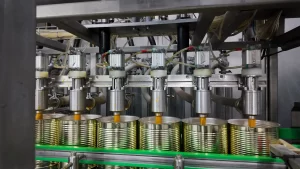
Hot-Fill Canning
- Pulp heated to 85–90°C and filled into sterile cans
- Heat kills microbes; product sealed immediately
- Available in 850g and 3.1kg tin cans
- Shelf life: Up to 24 months
Retort Processing
- Sealed pouches sterilized using moist heat under pressure
- Temperature: 115–121°C
- Shelf life: Up to 24 months
Quality Control Parameters
Every batch of processed pulp is tested for consistency and food safety. Key parameters include:
Parameter
Specification
°Brix (TSS)
14–16° (Totapuri), 16–18° (Alphonso) pH
3.5–4.2 Microbiological load
TPC < 10 CFU/g; Yeast & Mold < 10 CFU/g
Color Consistent L*, a*, b* values
Viscosity Measured by Brookfield viscometer
Packaging Formats
We offer shelf-stable mango pulp in various packaging configurations to suit different industrial needs:
- Aseptic Drums – 215 kg or 228 kg
- Tin Cans – 850g and 3.1kg
- Bag-in-Box – 20 kg
- Retort Pouches – Custom sizes for RTE/RTC applications
Processing Method Shelf Life Storage Condition Cold Chain Aseptic 24 months Ambient ❌ No Hot-Fill Canning 24 months Ambient ❌ No Retort 18 months Ambient ❌ No Conclusion
Processed mango pulp requires scientifically validated technologies like aseptic sterilization, hot-filling, and retort processing to ensure stability and microbiological safety. These methods help preserve the organoleptic qualities of mango while enabling long-term storage and international distribution without refrigeration.At Paiyur Group, our manufacturing process is built on international food safety standards and modern thermal technologies to ensure that every batch of mango pulp delivers reliable quality, food safety, and year-round supply consistency.
Trusted by Global Food Manufacturers
Our mango pulp is exported across UAE, Europe, Southeast Asia, the United States, and Africa. With certifications (FSSAI, HALAL,SGF,KOSHER,USFDA,BRC-compliant processing), we cater to industrial and private-label brands.
Contact Us for Bulk Orders
Paiyur Group supplies Alphonso mango pulp and Totapuri mango pulp using aseptic, hot-fill, and retort processing technologies. We serve B2B buyers, importers, and processors worldwide with consistent quality and professional packaging formats.